
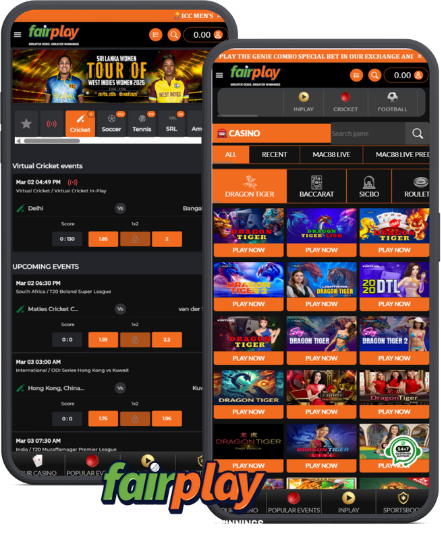
This site does not accept money, does not handle deposits or withdrawals, does not have access to user accounts, and does not ask for payment details or account credentials. Its role is editorial and explanatory only.
What Makes This Site Different From Support
This site explains interface structure, the meaning of terms, common statuses, and where users may usually find certain menu sections. That is its role.
It does not solve access issues. It does not handle payment questions. It does not complete verification steps. It does not restore accounts.
The difference is important. Support channels work with account-specific issues. This site does not. It only explains content, navigation, and terminology in a neutral way.
What We Publish
The materials on this site focus on explanation, not promotion.
They may include:
- menu and section breakdowns;
- explanations of buttons, labels, and notifications;
- short glossaries of interface terms;
- notes about visible interface changes;
- guidance on checking domains and staying cautious when opening pages;
- practical content that helps readers understand what they are seeing.
The content is written as a navigation aid. It is not advertising copy and not a service layer.
How We Decide What Stays on the Site
We use a cautious editorial standard before publishing or keeping material on the site.
Our core principles are:
- We publish only what can be checked.
- We rely on interface evidence, anonymized screenshots, or repeatable observations.
- We keep the tone neutral.
- We do not make promises.
- We use a Last checked note where applicable.
- We use cautious wording when something may vary.
- We clearly state that details may vary by device, region, or version.
- We remove or rewrite unsupported claims.
- We avoid fixed statements when layouts can change over time.
- We do not use official-like language that could mislead readers.
The purpose of these rules is clarity. The site should explain what can be supported, not sound more certain than the evidence allows.
Review Process and Editorial Accountability
Each article goes through an internal review before publication or revision.
That review checks:
- accuracy of section names;
- sequence of steps;
- clarity of language;
- safety of the explanation;
- absence of misleading expectations.
Each article should include a checked date. If the interface changes in a meaningful way, the page should also include a short What changed note.
The people who write and review these materials are content editors. They are not support specialists and do not perform platform-side actions.
Advertising Rules and Editorial Distance
This site may include advertising or partner placements where applicable. That does not change the editorial process.
Editorial materials are prepared independently of commercial placements. If advertising appears, it must be clearly marked as Sponsored or Advertisement.
The following are not allowed:
- hidden advertising;
- aggressive calls to action;
- promises of winnings;
- guaranteed bonuses;
- links to suspicious domains;
- links to clone pages presented as trustworthy.
Editorial distance is a basic rule of the site.
What We Ask From Readers
If a reader wants to report an error or mismatch, the most useful format is simple.
Please send:
- the page URL;
- the exact quote or section;
- an anonymized screenshot, if needed.
Please do not send:
- account ID;
- balance details;
- contact information;
- banking details;
- OTP codes;
- any other personal data.
This helps keep the process privacy-first and focused on the actual content issue.
Corrections, Updates, and Reader Notes
The editorial team reviews content-related comments and checks disputed passages before changing them.
When an issue is confirmed, we review and update the material accordingly. Not every message leads to a change, but each valid report helps improve the quality of the site.
A primary response is usually sent within 24–48 hours on business days. This is a normal target, not a guaranteed deadline.