

- Starting a New Account: What the Sign-Up Flow Usually Looks Like
- Web, Mobile, or App: Common Sign-In Paths
- What Users Usually Find After Login
- Most Common Login Problems and Why They Happen
- Checks to Run Before Resetting Your Password
- Reset and Recovery: Safer Ways to Regain Access
- Anti-Fake Rules: How Not to Enter Your Data on the Wrong Page
- How to Contact Support About a Login Issue
- FAQ
Starting a New Account: What the Sign-Up Flow Usually Looks Like
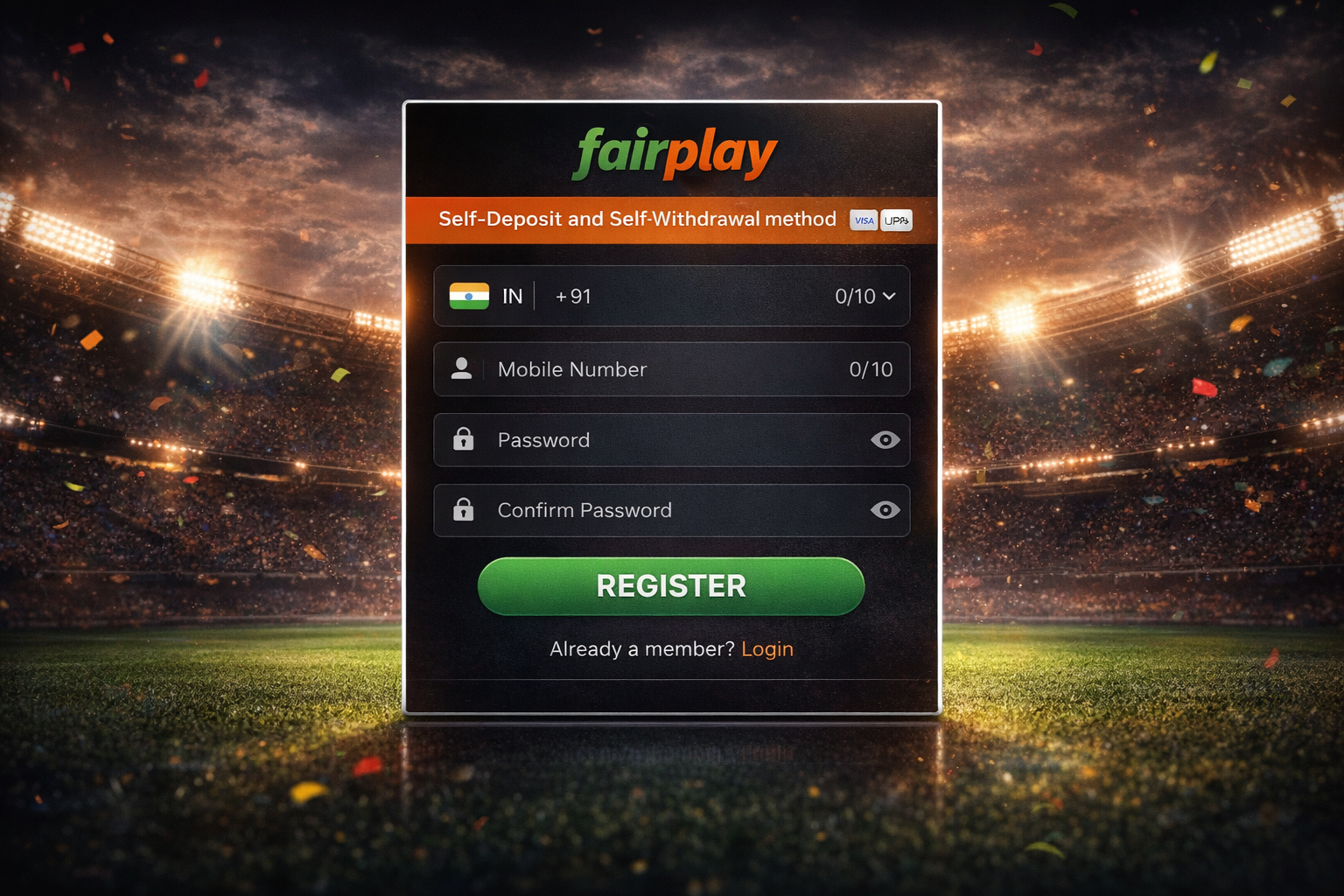
A standard sign-up flow is usually short and structured. The exact layout can differ, but the general path tends to stay familiar.
A typical registration flow often looks like this:
- Open the current Sign Up or Register page.
- Enter the basic details requested in the form.
- Complete a confirmation step if that stage is present.
- Create a password.
- Review the details and finish setup.
- Complete the first sign-in.
Some users reach this stage through search phrases such as fairplay login id sign up, my fairplay login, or fairplay pro login. Those labels may appear in search results, but the real check is whether the page itself is trusted.
Verification or KYC may be part of the process at some point, but it should be treated as a possible step, not as a guaranteed requirement unless the interface or rules confirm it clearly.
Web, Mobile, or App: Common Sign-In Paths

The Login button is usually placed in the page header, on the main screen, or inside the mobile menu. On smaller screens, it may appear behind a menu icon rather than in the top bar.
The standard form is usually simple:
- login or ID
- password
In some cases, a code or OTP may appear as an extra step. That should be treated as a possible part of the flow, not a universal rule.
Users may move between fairplay login on the website, fairplay online in a mobile browser, and the fairplay app. They may also search using terms such as fairplay 24 login, fairplay pro, fairplay pro.com, or fairplay 24.in. The sign-in structure can look similar across those paths, but the page still needs to be checked carefully before any details are entered.
What Users Usually Find After Login
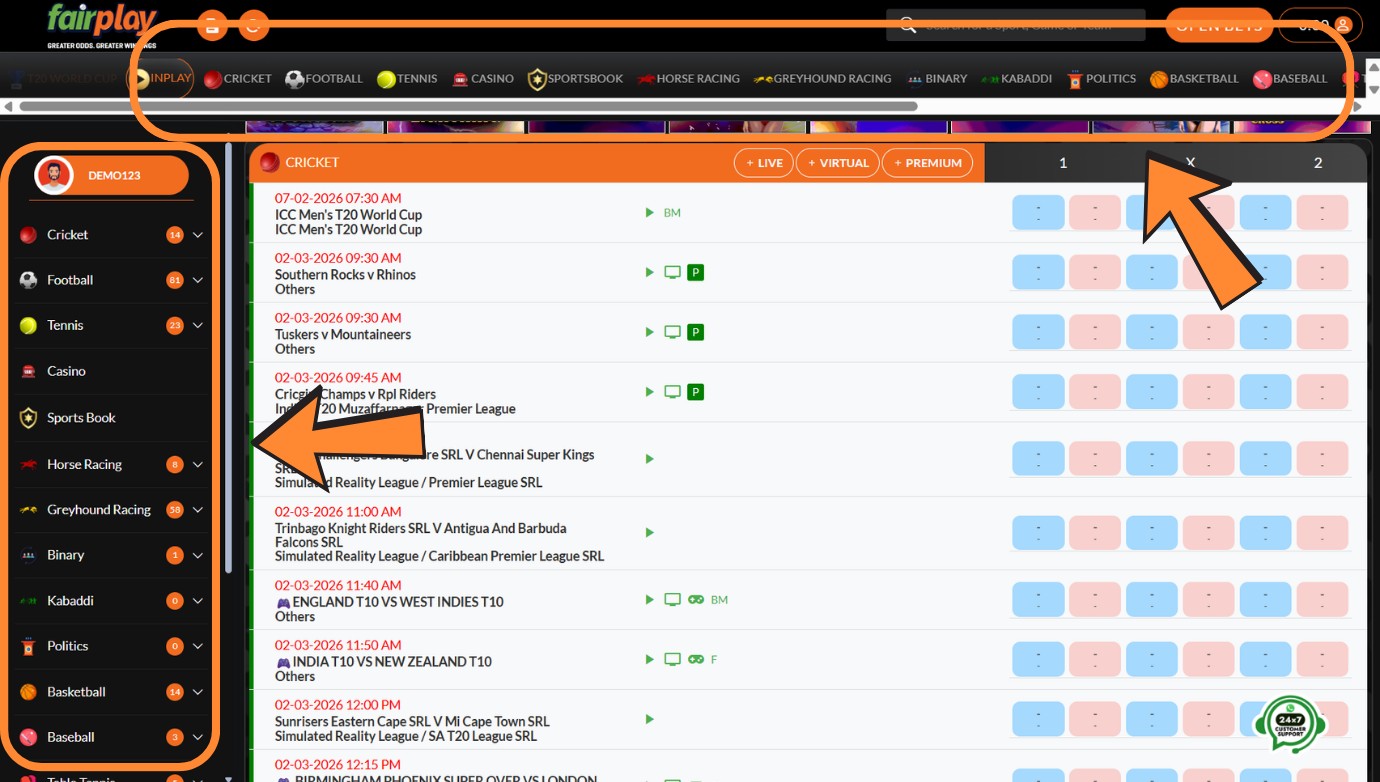
After sign-in, users usually expect an account area with several common sections. Exact names can vary by version, so it is safer to describe them by function rather than treat menu labels as fixed.
Typical account sections often include areas for:
- bets
- history
- transactions
- profile
- settings
- statements
A user entering through my fairplay or my fairplay login will usually look for these kinds of pages first. The exact order and wording can change, but the overall logic remains familiar: activity history, account details, and settings are usually grouped in one account space.
Most Common Login Problems and Why They Happen
Many login issues are routine and do not always mean the account itself is damaged. The fastest fix often starts with identifying the type of problem.
One common issue is a wrong password. This can happen because of typing mistakes, auto-filled old credentials, or a recent password change not saved correctly.
Another common issue is an error in the login or ID itself. A small difference in the entered ID can be enough to stop access, especially when users switch between saved and manual input.
Browser and cookie issues are also common. A page may load badly, fail to submit, or show a repeated login loop because of stale cache, blocked cookies, or an extension conflict.
A code delay can also happen if the current flow uses OTP or another confirmation step. That is a possible scenario, not a guaranteed one.
In some cases, access may pause because of suspicious activity or a security hold. Repeated attempts, strange session behavior, or a sudden device change can trigger extra caution in the login process.
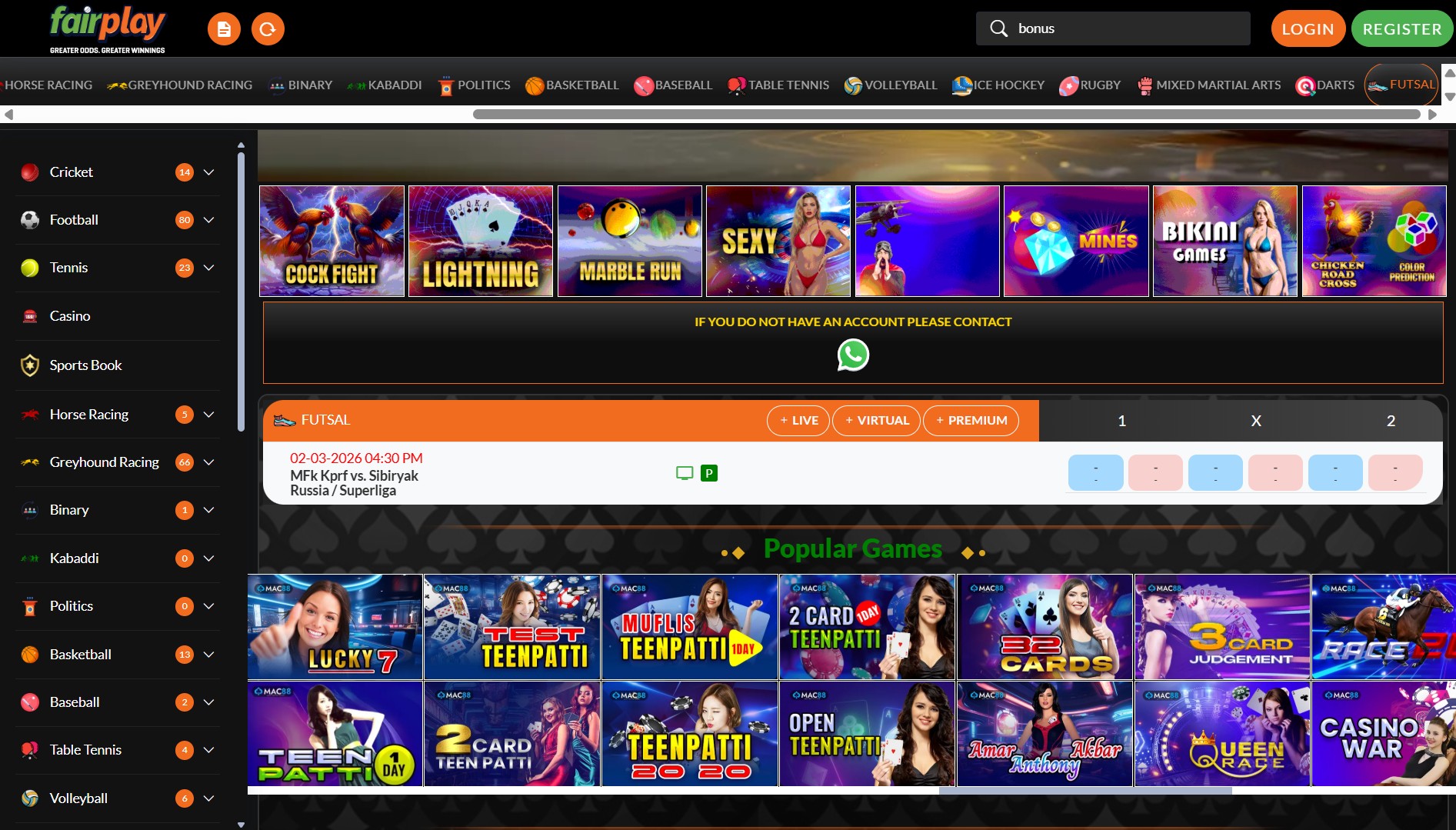
Popular Games
Checks to Run Before Resetting Your Password
Before starting a password reset, it makes sense to run a few quick checks first. This avoids unnecessary changes when the real issue is somewhere else.
Try this checklist:
- check the keyboard layout
- make sure caps lock is off
- confirm that the domain looks correct
- try another browser
- clear cache and cookies
- check the network connection
- compare the web login with the app login
These steps are often enough to separate a simple device issue from a real password problem.
Reset and Recovery: Safer Ways to Regain Access
If access still fails, use only the official forgot password, reset, or account recovery form shown on the trusted page. If the normal recovery route is not available, use a verified support channel listed on the same trusted source.
Avoid third-party recovery offers, message-based shortcuts, or pages shared through chats. They add risk without improving the recovery process.
If anything about the page feels wrong, stop entering data. It is safer to verify the domain first than to keep retrying on a page that may not be genuine.
This matters even more when search traffic includes terms like fairplay club, fairplay club 1, fairplay 24, or fairplay pro login. A familiar phrase does not confirm that a recovery page is real.
Anti-Fake Rules: How Not to Enter Your Data on the Wrong Page
Clone pages can look convincing. That is why a short anti-phishing routine matters every time a user signs in or resets access.
Use this checklist:
- verify the domain carefully
- confirm that HTTPS is present
- watch for duplicated or slightly altered interface design
- ignore links from chats, messengers, or groups
- check support contacts only on the site itself
- never share OTP codes with anyone
These rules matter across web, app, and mirror-style access. They also matter when users see search noise or copied branding such as fairplay movie, fairplay app download, or fairplay download placed near unrelated or suspicious results.
How to Contact Support About a Login Issue

When a login issue does need support, the message is easier to review if it includes clear and structured details. Some platforms may state that support is available around the clock, but that kind of availability should be treated as a claimed service level, not a guaranteed rule unless the platform confirms it directly.
A useful support message should include:
- login or ID
- time of the login attempt
- screenshot of the error
- device model
- operating system
- browser name or app version
- connection type
- the exact step where the problem appeared
A short, specific message is usually more useful than a long explanation without details.